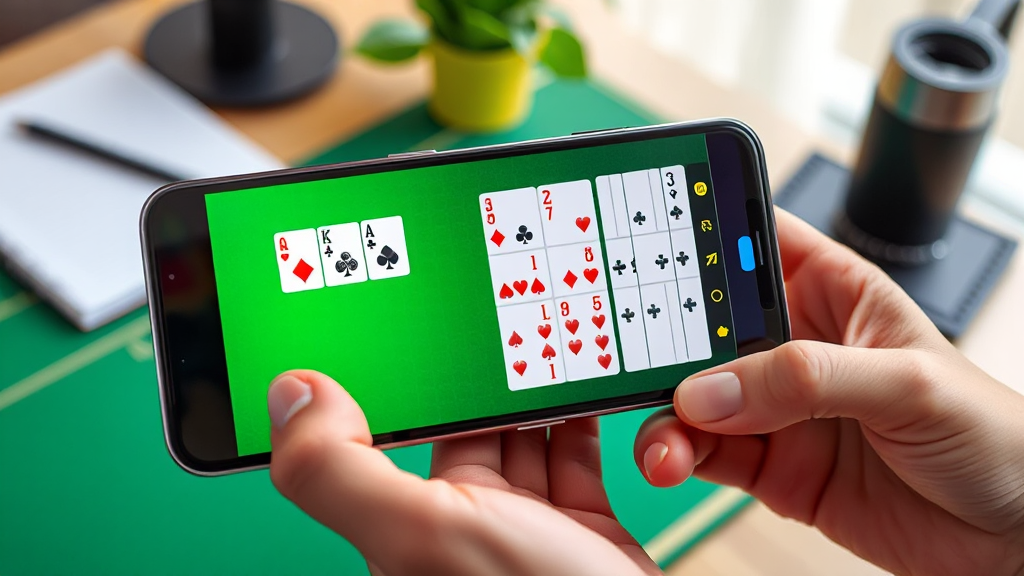

Rummy Skill Hub: Building Better Card Game Habits on Android
Card games have always rewarded patience, memory, and pattern recognition, and rummy is one of the clearest examples of that idea in practice. The modern version of the game has moved onto smartphones, where players can practice sequences, sets, and discards whenever they have a spare moment. For anyone who wants to take that practice seriously, a Rummy Skill Hub acts as a starting point: a place to compare Android rummy apps, browse curated categories, and read editorial signals before installing anything. This article looks at how to build better card game habits around a skill-focused hub, what to look for in an app listing, and how to keep your sessions structured and enjoyable.
It is worth saying at the outset that this is a guide for adults aged 18 and over who are interested in Android card game apps. The focus here is on skill development, app discovery, and smart comparison habits, not on any promise of outcomes. Think of the hub as a library card catalog for mobile rummy apps: it helps you find titles worth your attention, then you decide what fits your routine.
Why a Skill Hub Matters for Rummy Players
Rummy is often described as a game of chance, but that description misses most of what happens at the table. Choosing which card to discard, tracking which cards have already been played, and deciding when to declare are all decisions that improve with deliberate practice. A skill hub supports that improvement indirectly but importantly: it reduces the friction of finding an app that actually gives you room to practice.
Without a hub, players often download the first app that appears in a search result. That approach works occasionally, but it rarely produces a good match between the player and the app’s interface, pace, or feature set. A curated directory solves this by grouping apps into categories, letting you filter by what matters to you, and surfacing comparison signals such as how listings are organized or how features are described. The result is a shorter path from curiosity to a sensible choice.
There is also a habit-building angle. When you know where to look, you spend less energy on searching and more energy on playing thoughtfully. That shift matters more than most people expect, because consistency is what turns casual rounds into genuine skill growth.
What to Look For in an Android Rummy App Listing
App listings vary widely in how much useful information they provide. A strong listing tends to cover several practical dimensions, and comparing those dimensions side by side is where a hub earns its keep.
Interface clarity. Rummy involves a lot of small visual decisions: which cards are in your hand, which are on the discard pile, and which combinations are forming. An app with a clean layout reduces misclicks and lets you focus on strategy rather than navigation. Listings that include screenshots or interface descriptions help you judge this before installing.
Game variants. Different rummy formats reward different skills. Some emphasize quick decision-making, while others reward longer-term planning and memory. If a listing clearly states which variants an app supports, you can match it to the style of practice you want.
Practice modes and tutorials. For skill development, the availability of practice rounds or guided tutorials is often more valuable than any other feature. These modes let you experiment with discards and declarations without the pressure of a live table, which is exactly how strong habits form.
Performance and stability. A card game should not stutter. Listings that mention device compatibility or performance notes give you a realistic sense of whether an app will run smoothly on your phone.
Editorial signals. When a directory includes editorial notes, rankings, or category placements, those signals can help you prioritize. They are not guarantees, but they are useful shortcuts when you are comparing many options at once.
How a Curated Directory Improves App Discovery
Search results are noisy. Typing a broad query into an app store returns dozens of titles, many of which look similar at a glance. A curated directory cuts through that noise by organizing apps into meaningful categories and making them searchable by attributes that players actually care about.
This structure has three practical benefits. First, it saves time. Instead of opening ten listings and reading each one carefully, you can scan a category, shortlist two or three candidates, and dig into those. Second, it improves match quality. When listings are grouped by variant, feature set, or audience, you are more likely to land on an app that suits your preferences. Third, it supports comparison. Seeing multiple apps described in a consistent format makes differences easier to spot, whether those differences involve interface design, game modes, or the way practice features are presented.
For players who are new to Android rummy apps, this structure also serves as an education. Reading through a well-organized directory teaches you what features exist, what trade-offs are common, and what questions to ask before committing to an app. That knowledge carries over even if you eventually choose a title that was not in your original shortlist.
Building a Practice Routine Around Skill Development
Skill in rummy grows through repetition, but not all repetition is equal. A practice routine that mixes focused drills with full games tends to produce better results than playing endless casual rounds without reflection.
One useful approach is to set aside short, deliberate sessions. Ten to fifteen minutes of focused practice, where you pay attention to a single element such as discard decisions or sequence planning, can be more valuable than an hour of distracted play. Over a week, those short sessions add up to meaningful improvement.
Another approach is to review your decisions after each session. Many apps include a history or replay feature, and even a simple mental review can help. Ask yourself which discards were rushed and which declarations were premature. This habit of reflection is what separates players who plateau from players who keep improving.
Finally, vary your practice. Playing only one variant can create narrow habits that do not transfer well. Rotating between formats keeps your pattern recognition sharp and exposes you to different strategic situations. A hub that lists multiple app options makes this variation easier to maintain, because you can switch between apps without losing your routine.
Comparing Apps Without Getting Overwhelmed
Comparison is useful, but it can also become a trap. If you spend more time reading listings than playing, you have inverted the priority. A few simple rules keep comparison productive.
Start with a shortlist. Pick three apps from a category that matches your interests, and give each one a fair trial. Resist the urge to download everything at once. A small, focused comparison produces clearer conclusions than a scattered one.
Use consistent criteria. Decide in advance what matters most to you, whether that is interface clarity, practice modes, variant variety, or performance. Then evaluate each app against the same list. This prevents the common mistake of judging apps by different standards depending on the order you tried them.
Give each app enough time. First impressions can be misleading, especially in card games where the interface takes a few rounds to feel natural. A reasonable trial period lets you separate genuine problems from unfamiliarity.
Trust editorial signals but verify them. Directory notes and category placements are helpful starting points, but your own experience is the final word. If an app that ranks highly in a listing does not suit your style, that is useful information, not a failure of the directory.
Responsible Play and Realistic Expectations
Any discussion of card game apps should include a note about responsible habits. Rummy apps are entertainment products, and the skills you develop are best treated as a personal challenge rather than a path to anything else. Set time limits for your sessions, take breaks, and avoid letting practice crowd out other priorities.
It is also worth being realistic about what skill development looks like. Progress is gradual and often invisible in the short term. The players who improve most are usually the ones who enjoy the process of practicing, not the ones chasing quick results. If an app stops being enjoyable, that is a signal to step back or try a different title.
Age matters here as well. The content discussed in this article is intended for adults aged 18 and over. Younger players should look for age-appropriate card games rather than apps designed for adult audiences.
Making the Hub Part of Your Routine
The most practical way to use a skill hub is to treat it as a periodic checkpoint rather than a one-time stop. Apps update, new titles appear, and your own preferences shift as you improve. Checking back every few weeks keeps your options current and prevents you from getting stuck with an app that no longer fits.
It also helps to keep notes. A simple list of what you liked and disliked about each app you tried makes future comparisons faster and more accurate. Over time, those notes become a personal reference that is more useful than any generic ranking.
Above all, keep the focus on skill. Rummy rewards attention, memory, and thoughtful decision-making, and those are qualities you can practice deliberately. A well-organized hub simply makes it easier to find the right place to do that practice.
FAQ
What is a Rummy Skill Hub?
A Rummy Skill Hub is a resource that helps players discover and compare Android rummy apps. It typically organizes apps into curated categories, makes listings searchable, and provides editorial comparison signals so that users can make more informed choices before installing an app.
Is a skill hub only for experienced players?
No. Beginners can benefit just as much, because the structure of a directory teaches you what features exist and what questions to ask. Experienced players use hubs to find apps with specific variants or practice modes that match their current goals.
How many apps should I try at once?
Two or three is usually a good number. Trying too many apps at the same time makes it hard to evaluate any of them properly. A small shortlist, evaluated against consistent criteria, produces clearer and more useful conclusions.
What features matter most for skill development?
Practice modes, clear interfaces, and support for multiple variants tend to matter most. Practice modes let you experiment without pressure, a clear interface reduces distractions, and variant variety keeps your pattern recognition sharp.
How often should I revisit a skill hub?
Checking back every few weeks is a reasonable habit. App catalogs change, new titles appear, and your own preferences evolve as you improve, so periodic visits keep your options relevant and up to date.